A strong credit profile is the foundation of your financial life here in North Carolina. Whether you are trying to buy a home in Charlotte, rent an apartment in Raleigh, or just get a decent rate on a car loan, your credit report is the first thing lenders look at. But here is the problem: many people are held back by negative items that shouldn’t even be there. Late payments, collections, or even total strangers’ accounts can end up on your file due to reporting errors. Understanding how to manage your credit report NC is the essential first move toward financial recovery.
In North Carolina, many residents seek professional help from experts like Credit Changes Choices to make sure their disputes are handled legally and correctly. We are going to walk you through how to identify these items, the specific rights you have under NC law, and the steps you can take to clean up your record for good.
Identifying the “Weight” on Your Score
Negative items on a credit report come in many forms—late payments, charge-offs, bankruptcies, or accounts in collections. These entries can stay on your report for seven to ten years, significantly lowering your score and limiting your options. In many cases, these aren’t even your fault; they are often the result of clerical errors by credit bureaus like Equifax, Experian, and TransUnion. A clean credit report NC is essential for improving loan approvals and financial stability.
Mistakes happen way more often than you think. You might have identity confusion with someone who has a similar name, or an old account you paid off might still be showing as “active” or “delinquent.” These errors can derail your credit score improvement NC journey. Knowing your rights under the Fair Credit Reporting Act (FCRA) is your best weapon because it gives you the legal power to challenge this inaccurate data.
Step 1: The Deep Dive Into Your Reports
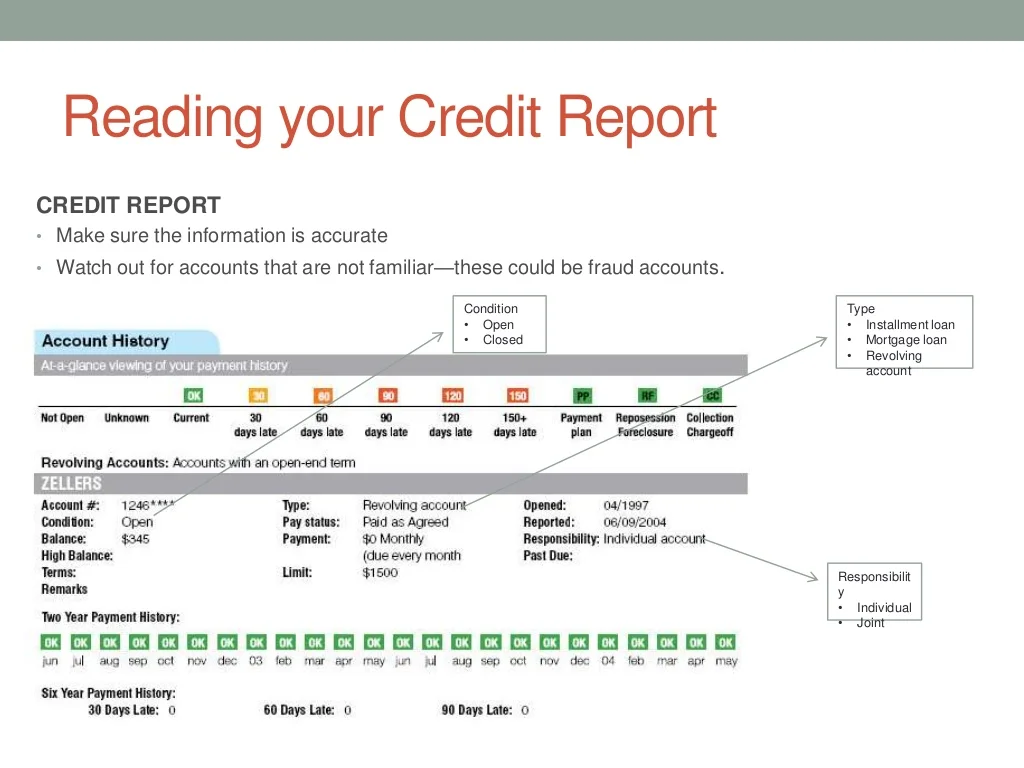
The first step to fix your credit report NC is getting a clear picture of the damage. In North Carolina, you actually have a distinct advantage: state law grants residents two free credit reports per year from each bureau, which is more frequent than the federal standard. Checking your credit report NC regularly helps you catch errors early.
Go to AnnualCreditReport.com and pull all three files. Carefully highlight every single item that looks wrong—incorrect balances, dates of delinquency that seem off, or accounts you simply don’t recognize. This audit is the most important part of the credit history correction process. You can access your official credit reports through the government-approved portal.
Step 2: Filing the Formal Dispute
Once you have identified the errors, you have to file a formal dispute. You must contact Equifax, Experian, and TransUnion individually because they don’t always share information. You can do this online, but many experts recommend sending a physical letter via certified mail with a “return receipt” to create a solid paper trail. Disputing items on your credit report NC can legally remove inaccurate information.
The bureaus generally have 30 days to investigate your claim. Under the FCRA, they must contact the creditor and verify the information. If the creditor cannot prove the item is accurate or if they simply don’t respond, that item must be removed from your report. This structured credit bureau disputes process is the primary way to legally clean up your file.
Step 3: Debt Validation and “Pay for Delete”
If a negative item is a collection account, you can use a strategy called “debt validation.” This involves sending a letter to the collection agency demanding proof that they actually own the debt and have the legal right to collect it in North Carolina. If they cannot produce the original contract or proper documentation, the item may have to be removed.
For legitimate debts that you actually owe, you can sometimes negotiate a “pay for delete” agreement. This is where you offer to pay the balance in exchange for the creditor removing the negative mark from your report. If you do this, always get the agreement in writing before you send a single penny. This is a common tactic used in credit report cleanup services NC.
Step 4: Rebuilding Your NC Credit Profile
Removing the bad stuff is only half the battle; you also have to build up the good stuff. Once the negative items are gone, focus on your payment history. In North Carolina, the statute of limitations on most consumer debt is three years, but those marks can stay on your report much longer. After cleanup, maintaining a strong credit report NC requires consistent payments and low utilization.
To boost your score, keep your credit utilization low (under 30 percent) and make every single payment on time moving forward. Consistency is the only way to achieve lasting credit score improvement NC results. Small, disciplined actions today will lead to much better interest rates and financial opportunities down the road.
Final Thoughts
Achieving financial freedom starts with taking control of your data. By understanding the dispute process and standing up for your rights, you can successfully remove negative items from your credit report NC and rebuild your standing. Whether you handle the paperwork yourself or work with professionals like Credit Changes Choices, the key is to stay persistent. Your credit future in North Carolina is in your hands, and taking action early is the best way to move toward a stronger financial position. Improving your credit report NC takes time, but consistent action leads to better financial opportunities.
How do I remove negative items from my credit report in NC?
You start by pulling your free reports, identifying every inaccuracy, and sending formal dispute letters to the credit bureaus demanding they verify or delete the info.
How long does the dispute process take in NC?
The bureaus usually have 30 days to investigate, though this can extend to 45 days if you provide additional info during the investigation.
Can I fix my credit report in NC on my own?
Yes, you have the legal right to dispute any item yourself for free. Many people choose professional services to save time and ensure the legal language is handled correctly.
What is the fastest way to improve my score in North Carolina?
The “quickest” wins usually come from removing inaccurate negative items and paying down high credit card balances to lower your utilization ratio.